 Tel:+86 18803173989
 Email:

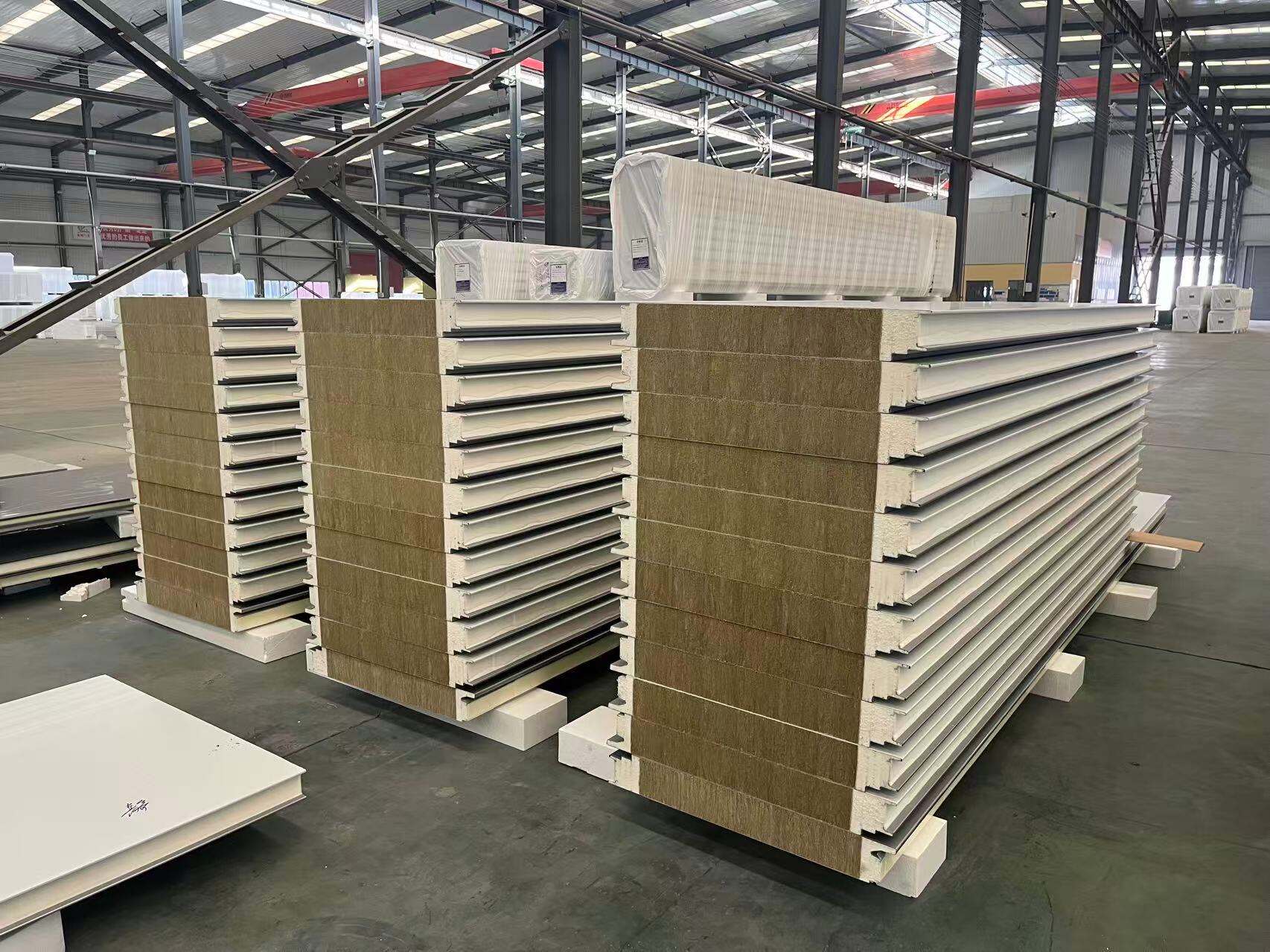
Sandwich panels have become a staple in modern construction thanks to their versatility and efficiency. But not all sandwich panels are created equal. The material used for the core and facing layers makes a huge difference in performance durability and suitability for different projects. Hebei Zhongtian Weiye Technology Co., Ltd. has years of experience working with various sandwich panel materials helping clients choose the right option for their needs. In this article we’ll break down the key material differences between common sandwich panels so you can make an informed decision for your next project. Whether you’re building an industrial plant cold storage or a modular structure understanding these differences will help you get the most out of your sandwich panel investment.
Core material differences in common sandwich panels
The core is the heart of any sandwich panel and the material here has the biggest impact on performance. Common core materials include polyurethane PU rock wool glass wool and PIR. Our company’s PU core sandwich panels stand out for their exceptional thermal insulation. The closed cell structure of PU traps air effectively keeping buildings warm in winter and cool in summer. Rock wool core sandwich panels are popular for fire resistance as rock wool is naturally non combustible. Glass wool cores are lightweight and affordable but offer lower insulation compared to PU or PIR. PIR core sandwich panels are similar to PU but have higher temperature resistance making them suitable for high heat environments. When choosing a sandwich panel consider your project’s main needs. For energy efficiency PU core sandwich panels are hard to beat while rock wool cores are the go to for fire safety.
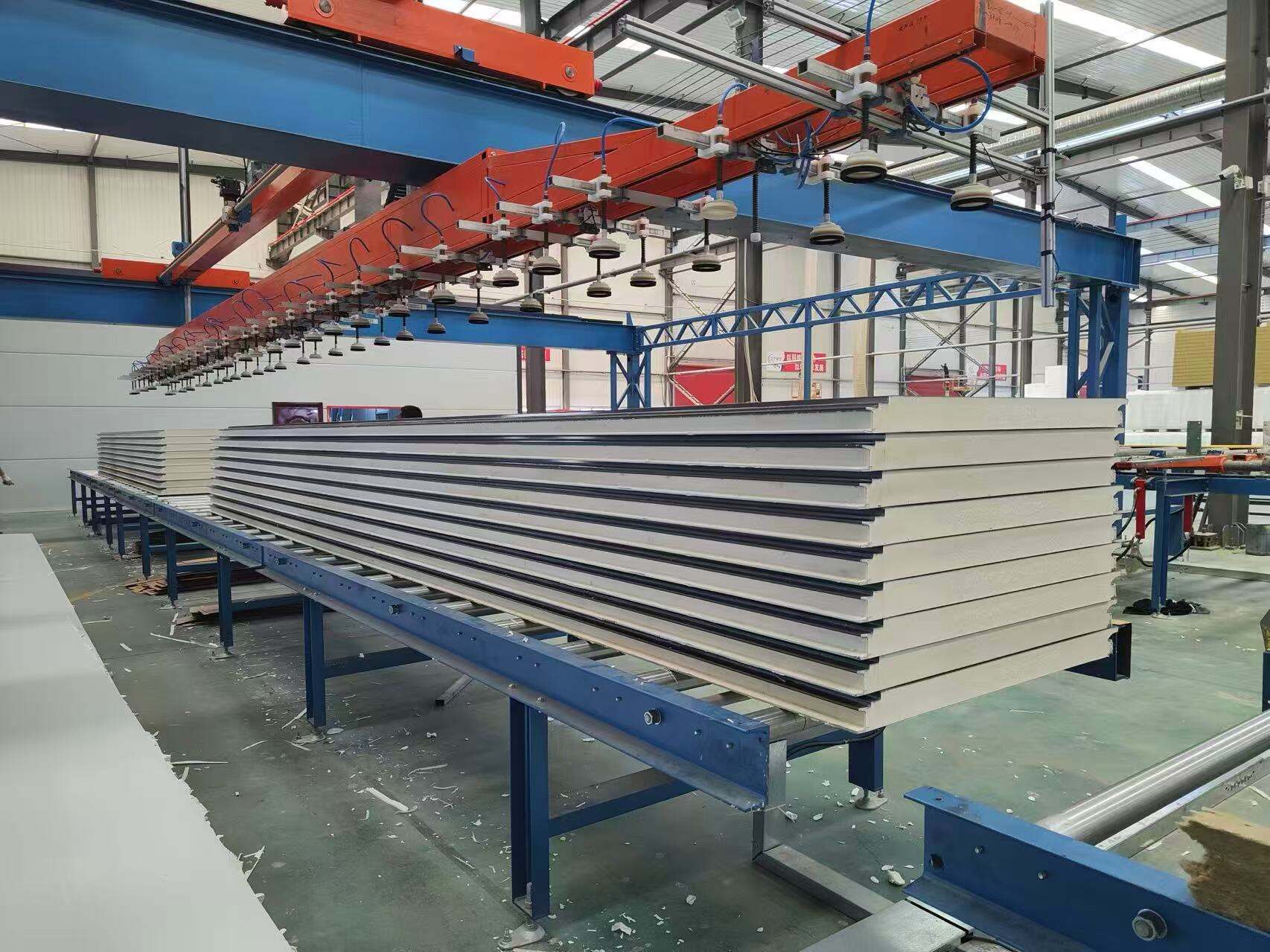
Facing material variations in sandwich panels
Facing materials might seem like a minor detail but they play a big role in the sandwich panel’s durability and appearance. The most common facing materials are aluminum steel and galvanized sheet. Our company’s sandwich panels often use high quality aluminum or pre painted steel facings. Aluminum facings are lightweight corrosion resistant and easy to install making them ideal for modular construction. Steel facings are stronger and more durable suitable for industrial buildings that need extra protection. Galvanized sheets offer good rust resistance at a lower cost but may not be as long lasting as aluminum or steel. Some sandwich panels also use composite facings for added functionality like moisture resistance or enhanced aesthetics. The right facing material should complement the core and meet the project’s environmental demands. For example coastal projects benefit from corrosion resistant aluminum facings while industrial facilities may prefer the strength of steel faced sandwich panels.
Performance differences driven by material choices
Every material choice affects how a sandwich panel performs in real world use. PU core sandwich panels excel in thermal insulation which translates to lower energy costs for buildings. Our company’s PU rock wool composite sandwich panels combine the best of both worlds offering great insulation and fire resistance. Rock wool core sandwich panels have excellent soundproofing in addition to fire safety making them perfect for noisy environments like factories or busy urban buildings. Glass wool core sandwich panels are easy to cut and install but may not hold up as well in harsh weather. PIR core sandwich panels have high dimensional stability meaning they won’t warp or shrink over time. When comparing sandwich panels look at key performance metrics like thermal conductivity fire rating sound absorption and durability. These factors are all direct results of the materials used. Our company’s sandwich panels are designed to balance these performance aspects ensuring you get a product that meets all your project requirements.
Suitability for different applications based on materials
Different projects have different needs and sandwich panel materials determine which applications they’re best suited for. Cold storage facilities require excellent insulation so PU or PIR core sandwich panels are the top choice. Our company has supplied many such sandwich panels for cold storage projects in Malaysia and beyond. Industrial plants need fire resistance and durability making rock wool core sandwich panels a popular option. Modular construction benefits from lightweight yet strong sandwich panels so aluminum faced PU core panels are ideal. Residential buildings may prioritize soundproofing and energy efficiency so composite core sandwich panels work well. Commercial structures often need a balance of aesthetics and performance making pre painted steel faced sandwich panels a great fit. Understanding which sandwich panel materials work best for your application ensures you don’t overpay for unnecessary features or end up with a product that can’t handle the job.
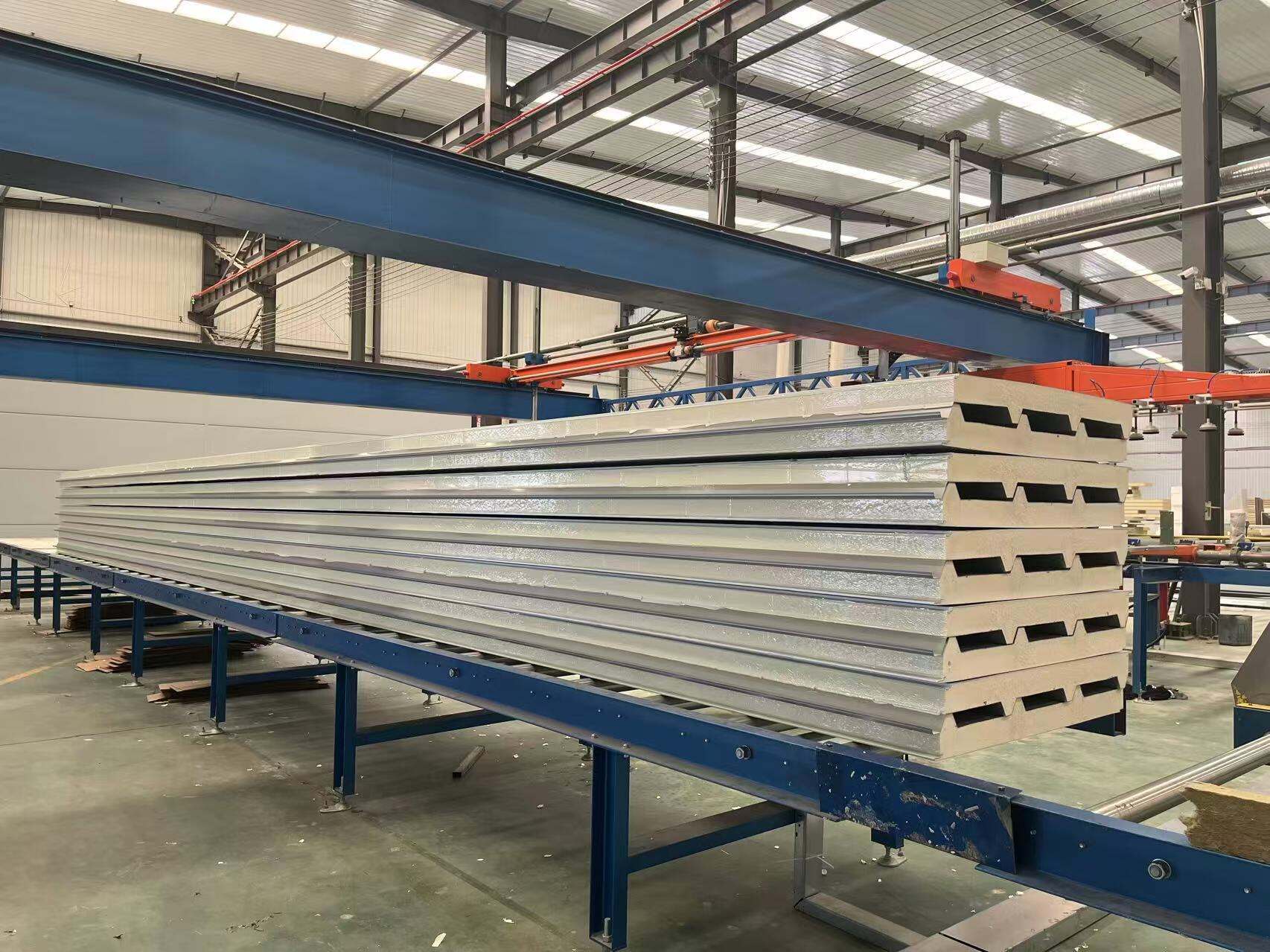
Quality and durability differences in material selection
The quality of materials used in sandwich panels directly impacts their lifespan and reliability. Our company sources premium materials from trusted partners like BASF ensuring every sandwich panel meets high standards. Cheap sandwich panels may use low density PU or inferior rock wool which can degrade over time leading to reduced insulation or structural issues. High quality core materials like dense PU or high grade rock wool maintain their performance for 15 to 20 years. Facing materials also matter – cheap steel can rust while quality aluminum or galvanized steel resists corrosion. Our company’s sandwich panels undergo strict testing to ensure they stand up to harsh conditions from humid Southeast Asian climates to cold European winters. Investing in a sandwich panel made with quality materials saves money in the long run by reducing maintenance and replacement costs. When choosing a sandwich panel don’t just look at the initial price consider the quality of materials and the value they provide over time.